Visit the Palau
The Palau de la Música Catalana, a work of art where all the arts come together
Artists from a wide range of disciplines took part in its construction: architects, sculptors, ceramicists and glass artisans worked together to bring to life a building of remarkable structural and ornamental richness, today considered one of the great landmarks of Catalan Modernisme
Lluís Domènech i Montaner
A Barcelona-born architect who played a key role in the development of Catalan modernism and became a reference point for later generations of architects within the movement. His best-known works include the Hospital de Sant Pau, the Palau de la Música Catalana, the Castle of the Three Dragons and Casa Lleó Morera, on Passeig de Gràcia.
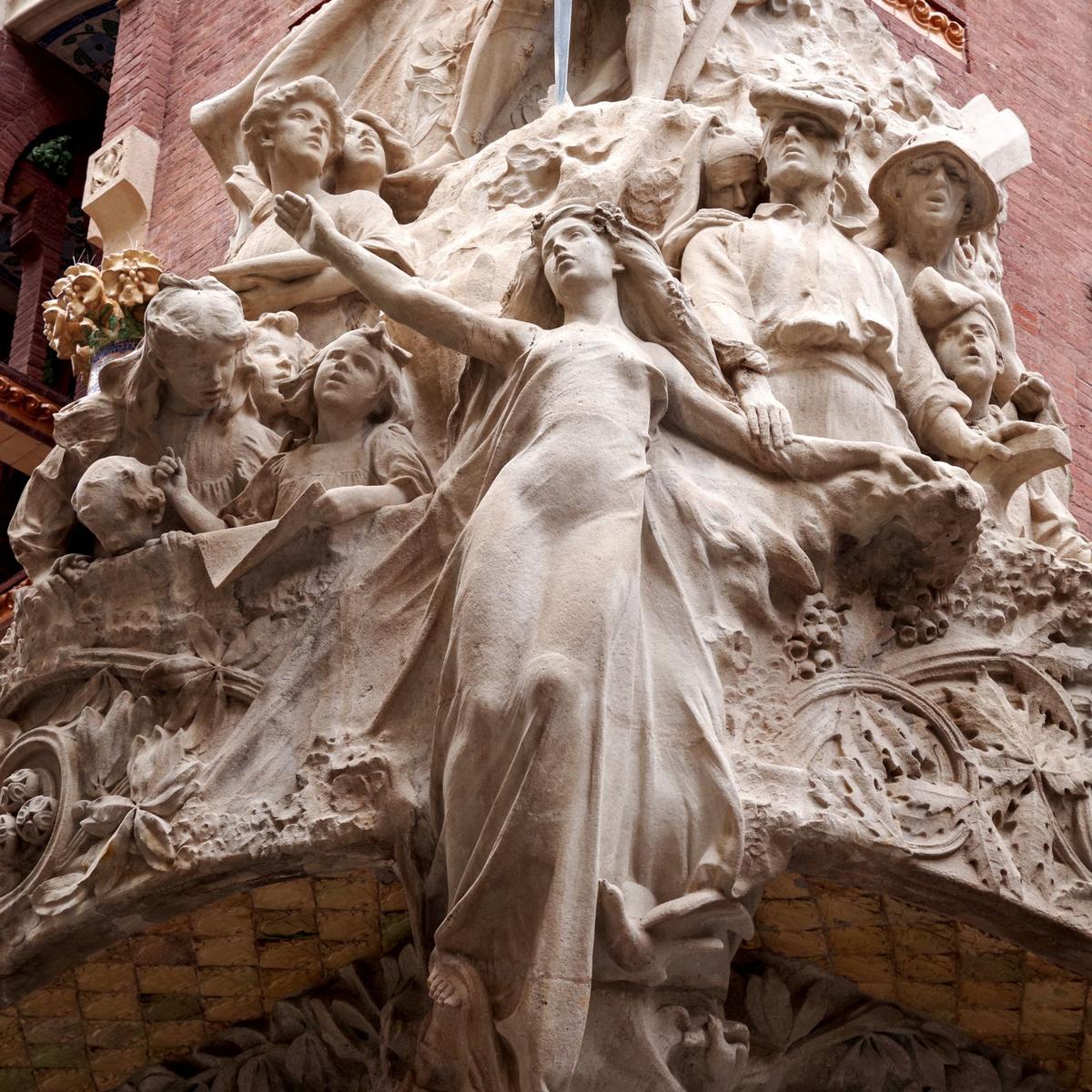
Miquel Blay
An internationally acclaimed sculptor, he create the sculpture La cançó popular, installed on the corner of the Palau’s façade in 1906. His realistic and expressive style brought him recognition at the Paris Universal Exposition in 1900, as well as a place at the Royal Academy of Fine Arts of San Fernando.
Eusebi Arnau
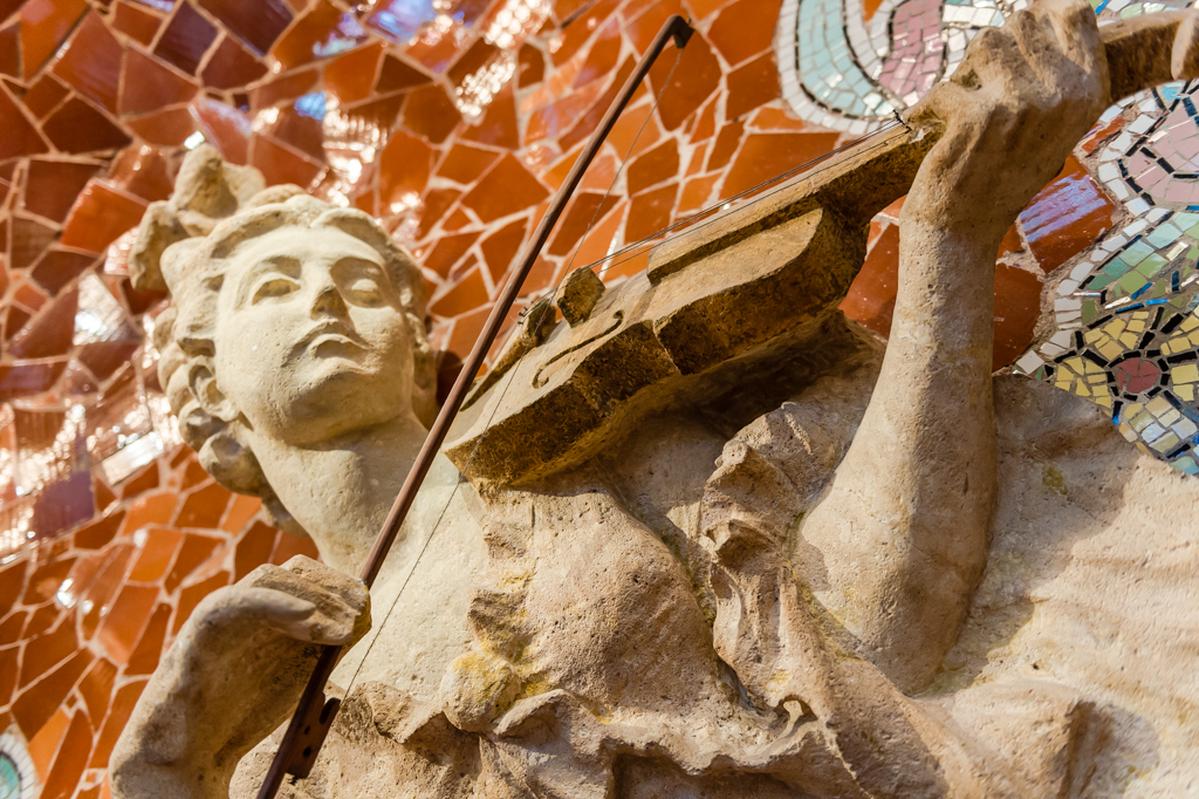
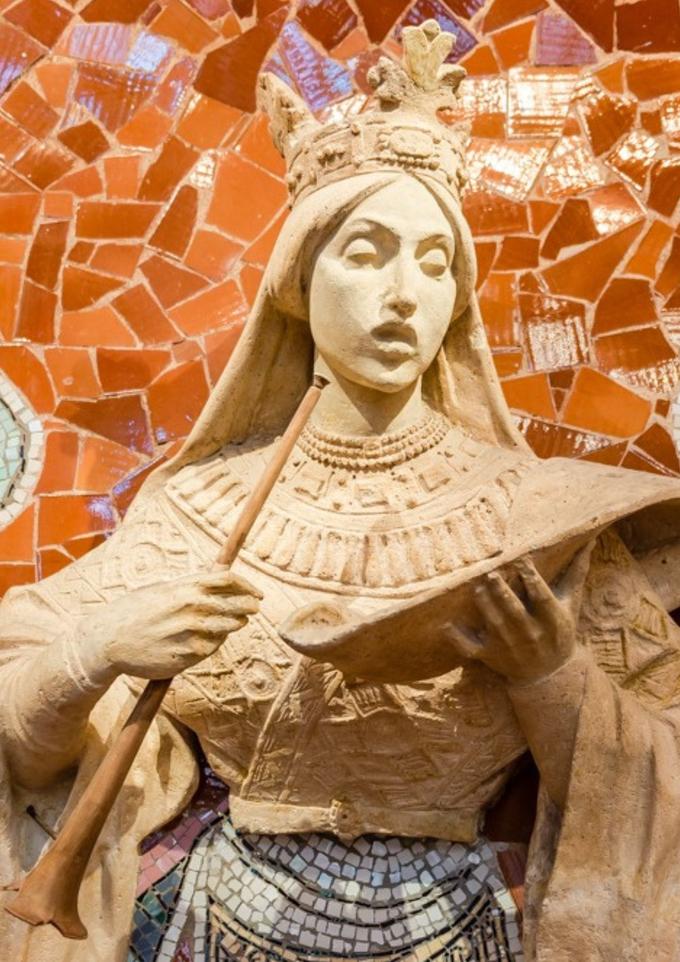
A leading sculptor of Catalan modernism in Barcelona who contributed to the busts of the muses on the stage of the Palau’s Concert Hall, as well as the busts of renowned musicians positioned above the exterior columns.
Lluís Bru
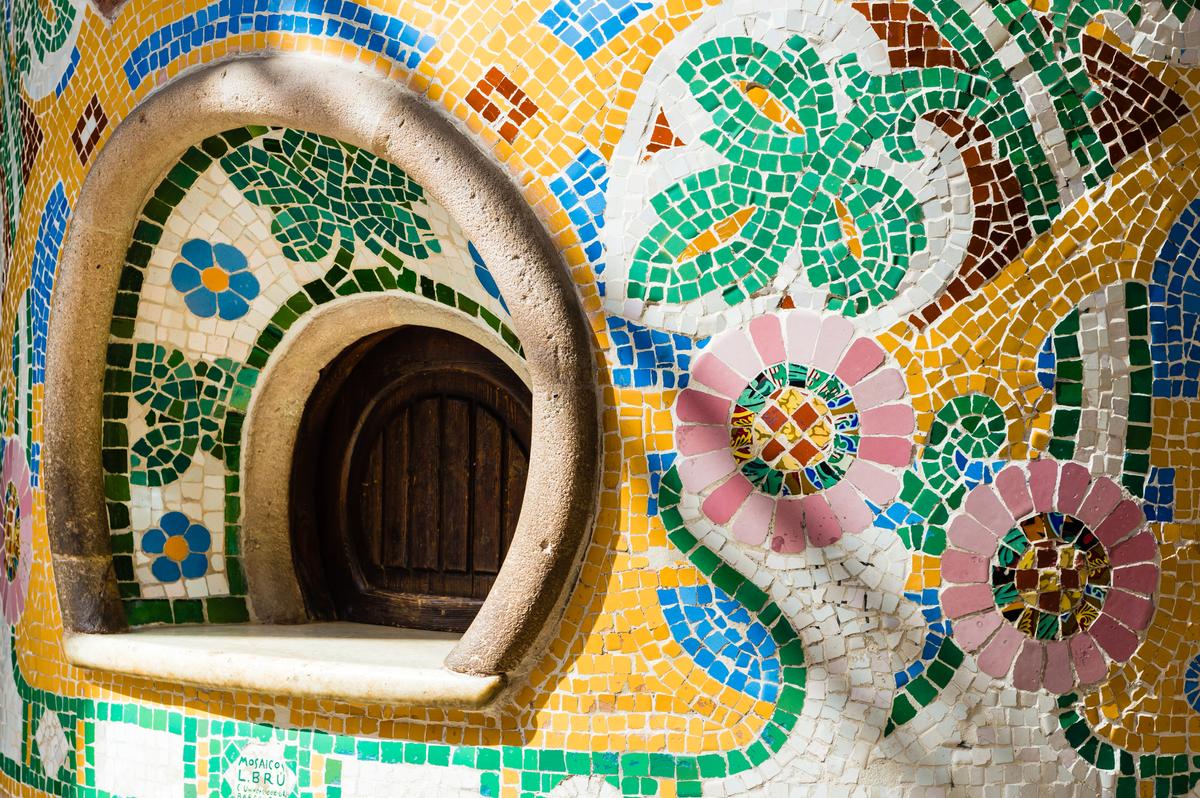
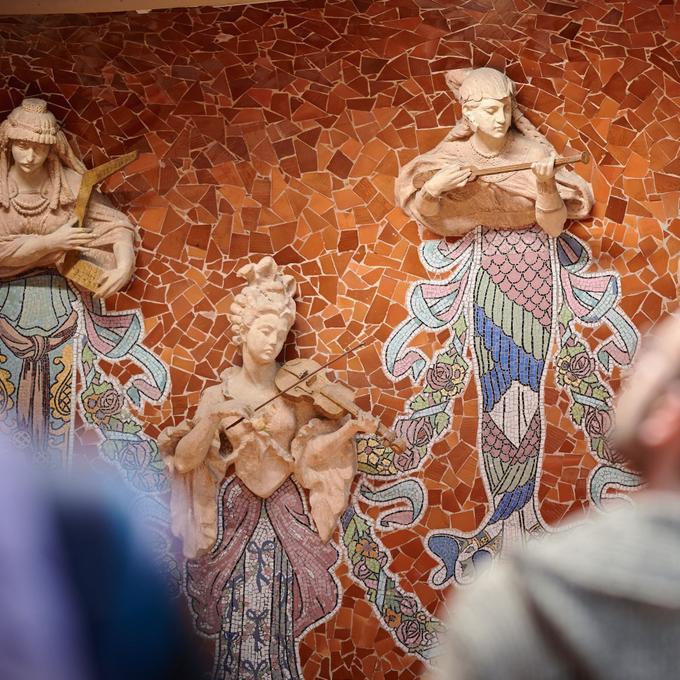
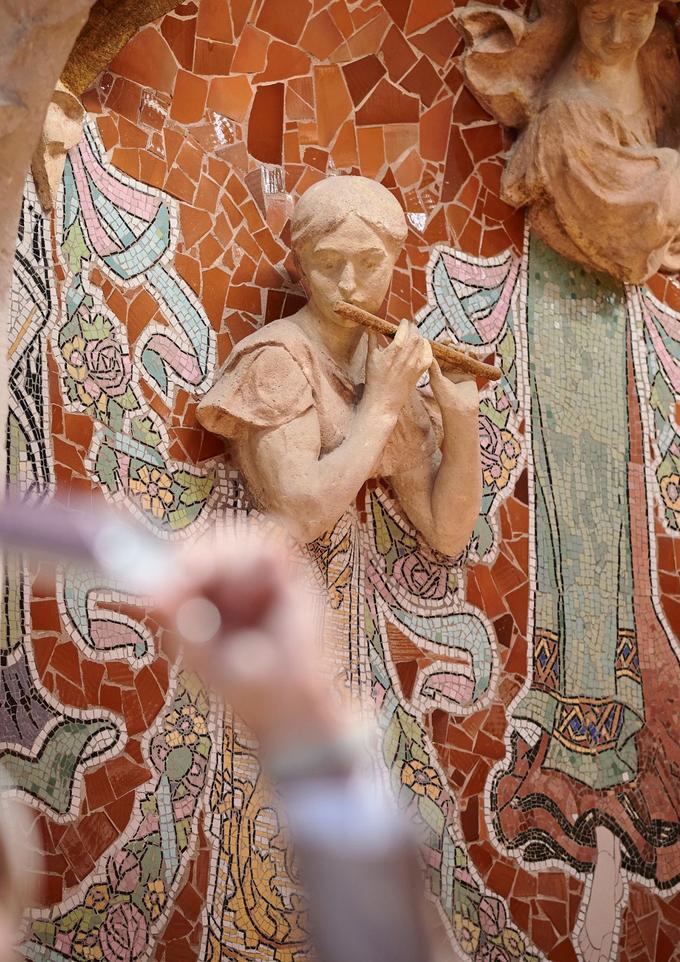
A ceramicist with a workshop in Barcelona, he received his first commissions from Domènech i Montaner. His work includes stage sets for the Gran Teatre del Liceu, ceramics for Casa Lleó Morera and projects at the Hospital de Sant Pau. At the Palau, he created the mosaic and trencadís decoration for both the interior and the façade.
Pau Gargallo
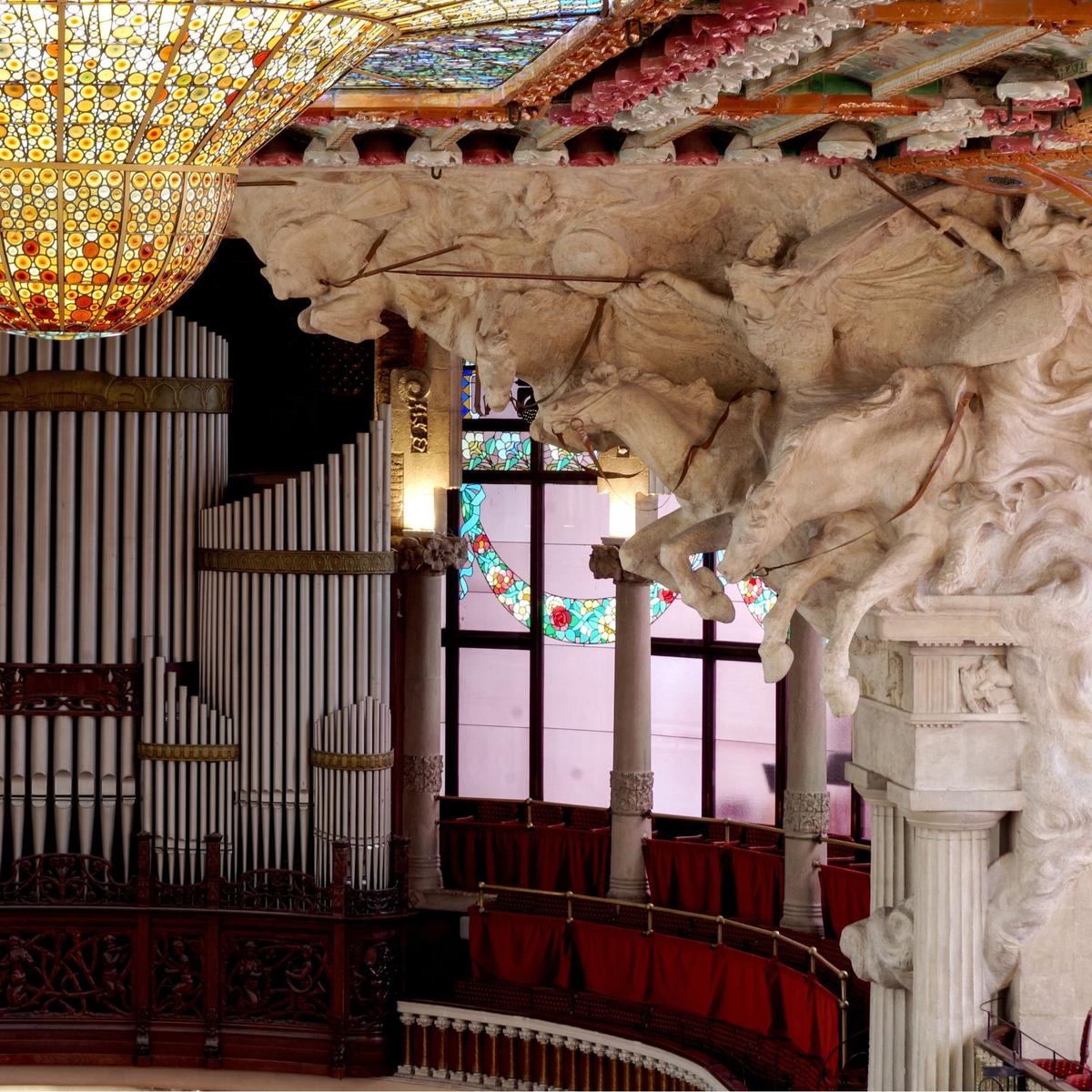
One of the most renowned Spanish sculptors of the 19th century, Gargallo trained under Eusebi Arnau in his Barcelona studio. He collaborated frequently with Domènech i Montaner on projects such as the Hospital de Sant Pau, the Institut Pere Mata in Reus and the Palau de la Música Catalana, where he designed the sculptural group above the stage.
Antoni Rigalt i Blanch
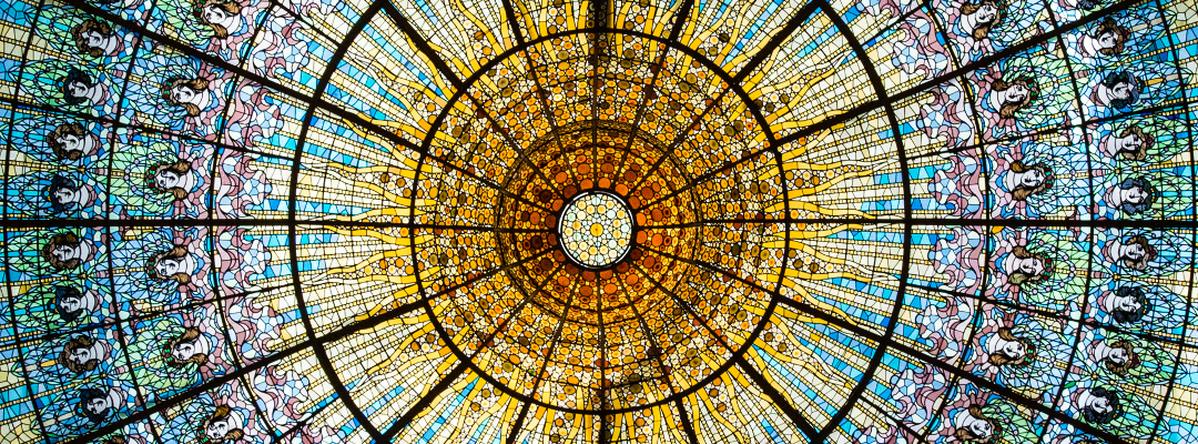
A highly regarded painter, stained-glass artist and draughtsman of the Catalan modernism period, he founded a stained-glass workshop in Barcelona and often worked with Domènech i Montaner, who commissioned him to create the intricate skylight in the ceiling above the stalls of the Palau’s Concert Hall.
Mario Maragliano
An Italian mosaicist, he lived in Barcelona for several years, working on churches such as Santa Maria del Pi and creating the mosaic in the crypt of the Sagrada Família. He also collaborated with architects such as Puig i Cadafalch and Domènech i Montaner. At the Palau, he worked alongside Lluís Bru on the mosaic and trencadís decoration.
Catalan modernism
Catalan modernism was an artistic movement closely tied to Catalan cultural identity, promoting the integration of all the arts, from architecture and the visual arts to graphic and interior design. At the Palau de la Música Catalana, it reaches one of its fullest expressions, with all disciplines in harmonious dialogue.