Visit the Palau
The essence of a movement that transformed Barcelona
Catalan modernism was an artistic and cultural movement that transformed Barcelona in the late 19th and early 20th centuries. It introduced new ways of understanding beauty and expressing creativity across architecture, the visual arts, music, literature and other disciplines.
The origins of Catalan modernism
In Catalonia, modernism emerged during a period of industrial growth and cultural flourishing.
Artists and intellectuals explored new forms of expression in dialogue with wider European movements, creating a distinctive artistic language driven by a clear desire for innovation. The movement promoted the integration of all the arts and the modernisation of Catalan culture.
The 1888 Barcelona Universal Exposition played a key role in this development, encouraging urban expansion and improvements in infrastructure. The main patrons of the movement were members of Barcelona’s bourgeoisie, who commissioned elegant residences in the Eixample district as a reflection of their social status.
The evolution of the movement
Catalan modernism shaped both the urban landscape and everyday life. Around 120 modernist buildings can still be found in Barcelona, which became the movement’s main centre, although it also spread to other Catalan cities such as Reus, Tarragona and Mataró.
Literature
Writers of the period explored new narrative and poetic forms, often drawing on symbolism, myth and themes linked to urban life and modernity. Notable figures include Joan Maragall, Santiago Rusiñol and Narcís Oller.
Architecture
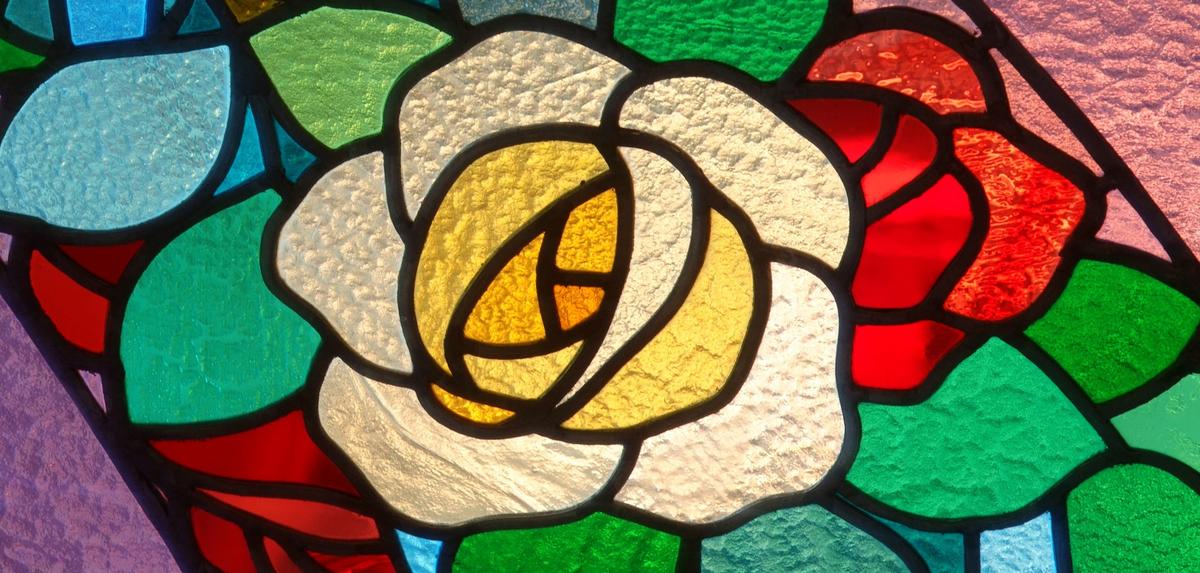
Catalan modernism architecture combined structural innovation with rich ornamentation and applied arts. Inspired by nature, it made extensive use of curves and decorative elements in ceramic, iron and glass across both private and public buildings. Key architects include Lluís Domènech i Montaner, Antoni Gaudí and Josep Puig i Cadafalch.
Painting
Modernist painting blended European influences, such as Impressionism, with local themes. Artists focused on colour, light and the portrayal of urban and natural scenes. Leading painters include Ramon Casas and Santiago Rusiñol.
Music
In music, composers such as Enric Granados and Isaac Albéniz developed symphonic and choral works, many of which were closely linked to Catalan cultural identity.
The architect and the artists
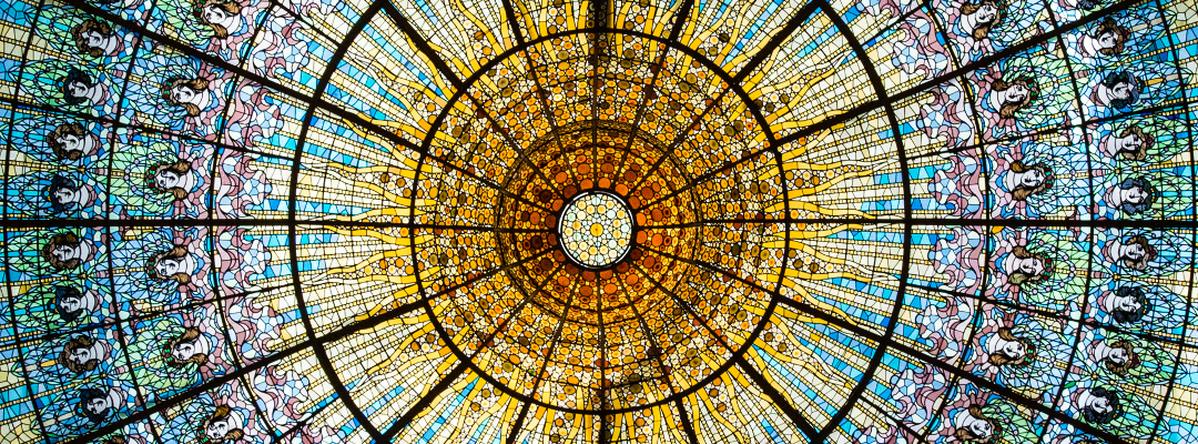
The Palau de la Música Catalana was conceived as a synthesis of the arts. Lluís Domènech i Montaner worked closely with ceramists, sculptors, stained-glass artists and other craftspeople to bring together the decorative techniques that define of Catalan modernism, creating a space where function and beauty exist in harmony.
Discover the Palau
The Palau de la Música Catalana offers a range of visit options, some of which are designed to explore in greater depth the architectural details and the artists involved in its construction. These routes allow visitors to appreciate the techniques, materials and decorative elements that reflect a shared artistic vision and the integration of the arts.