Composer of Catalan heritage
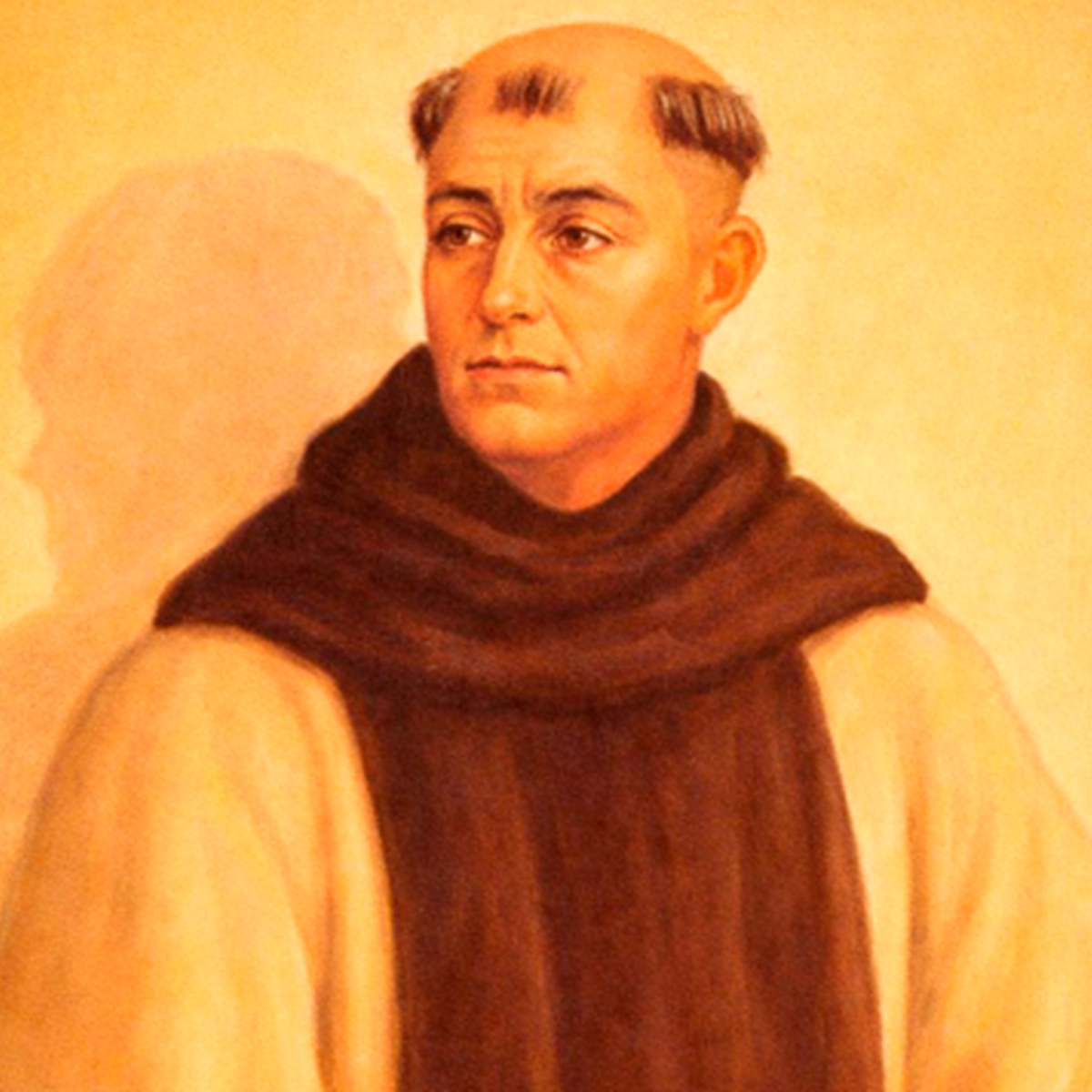
The composer and organist Antoni Soler (1729-1783) is one of the most fascinating figures in the Catalan and Hispanic musical heritage of the 18th century. Born in Olot and trained musically at the monastery of Montserrat as a member of the Escolania, Soler soon developed an exceptional talent for the keyboard and for composition. In 1752 he entered the Hieronymite monastery of San Lorenzo de El Escorial, where he spent the rest of his life as a monk, organist and chapel master and where he created most of his musical output.
A disciple of José de Nebra and Domenico Scarlatti, the Italian master, Soler assimilated the brilliant and virtuosic style, but transformed it into his own voice, with great rhythmic and harmonic imagination. His output is especially known for his keyboard sonatas – more than a hundred of them –, works of great vitality that explore the expressive and technical resources of the keyboard instruments of his time. But his catalogue is much wider and also includes religious music, concertos for two keyboards, villancitos and various vocal and instrumental pieces that show the richness of his musical language.
Despite this historical importance, a significant part of his work remains little present on current stages. The focus dedicated to Father Antoni Soler this 2026-27 season at the Palau de la Música Catalana aims to contribute to rediscovering this legacy by programming some of his less common compositions and placing them in the context of European music of his time.
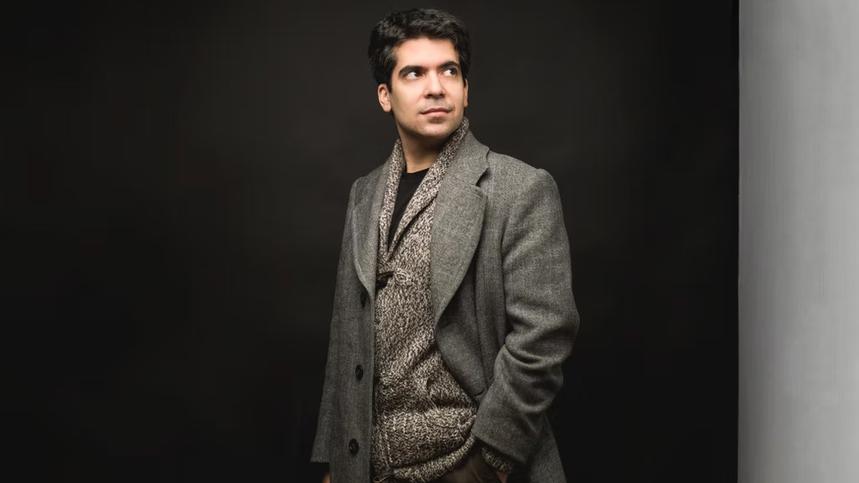
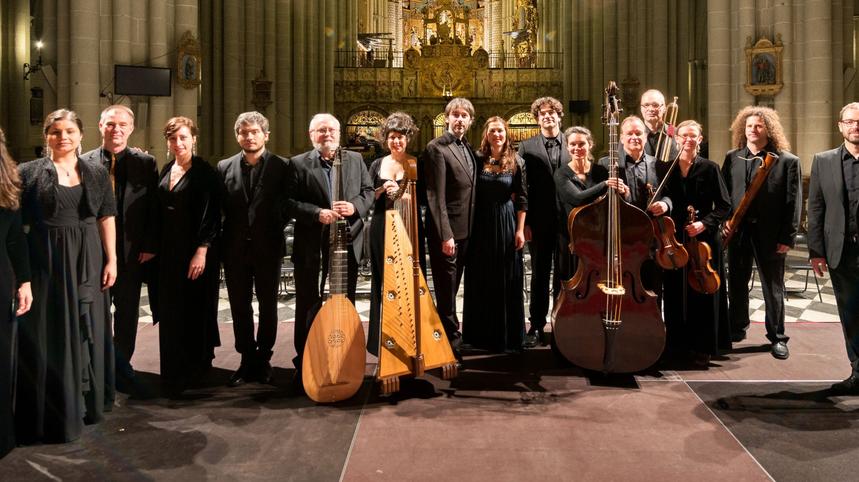
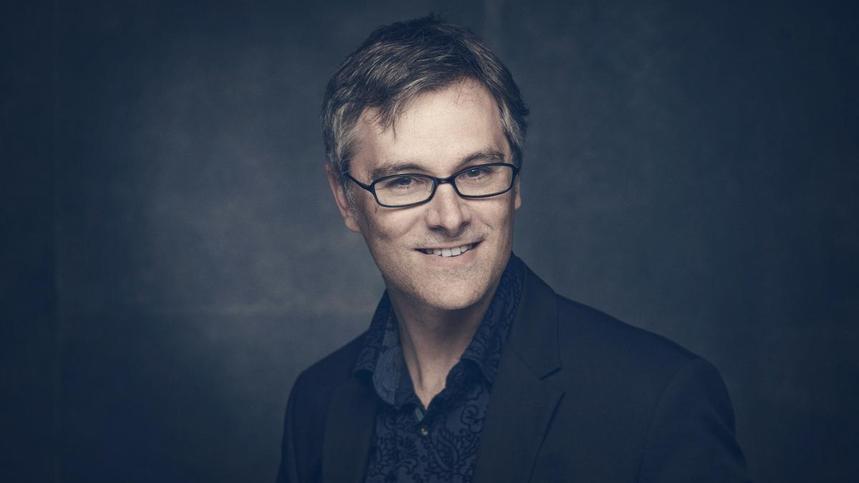
To present these works, we will have musicians who are specialists in their repertoire, who have studied them to make Soler's work known, such as the Catalan Albert Recasens and La Grande Chapelle or the Galician harpsichordist Diego Ares. And also the collaboration of two great interpreters from our country, such as Dani Espasa and Juan de la Rubia, in a special collaboration to perform the complete Concertos for two keyboards by Antoni Soler.