2026-2027 Season

The Palau, a voice
of peace in the world
Joaquim Uriach, President
The Palau de la Música Catalana is much more than an architectural symbol of Modernism; it is a living community that beats thanks to the sum of many wills: the singers, the artists, the professional teams, the members of the Orfeó Català, the patrons and, above all, the audience that fills the hall season after season.
In a historical moment marked by tensions, uncertainties and conflicts that cross borders and societies, the word peace acquires special force. Not as an abstract or distant idea, but as a horizon to be built every day from culture, dialogue and respect. This is also the will that inspires the 2026-27 season of the Palacio de la Música Catalana: an invitation to listen, to share and to recognize in music a privileged space of meeting between people and peoples. Pau Casals, a universal referent of humanist commitment through music, expressed this ideal with words that resonate with full force today: "I have always had the desire to see all the peoples of the world united by bonds of brotherhood and love and to enjoy the women of a peace established on the basis of justice and democratic freedom and in which human rights and human dignity are protected".
In the current context, this desire continues to be a collective challenge. From the Palau, faithful to its cultural and social vocation, we want music to be a space where this aspiration takes shape, where dialogue replaces confrontation and where shared emotions remind us of what unites us. Music – as Casals also stated – is “this wonderful universal language understood by everyone in the world”, capable of contributing to communication and agreement between people. In this spirit, the new season proposes a musical journey that connects tradition and the present, great works of the repertoire with current creation, and great international figures with the talent of our country. All this with the conviction that the musical experience, shared in a space like the Palau, can become a gesture of coexistence and hope.
This spirit of projection and dialogue with the world has become especially visible in one of the most significant moments in the institution’s recent history. The Orfeó Català has faced great challenges in the symphonic-choral repertoire with renewed ambition and consolidating an artistic level that has once again placed it at the centre of major international productions. The performance of Beethoven’s Missa solemnis, culminating in the debut in Los Angeles with the LA Phil, under the direction of Gustavo Dudamel, has represented a historic milestone. Not only because of the artistic demands of this monumental work, but also because of what it symbolises: that a choir born from Catalan civil society dialogues face to face with some of the most prestigious musical institutions in the world. But the challenges do not stop there. Next fall, the Orfeó Català and the Cor de Noies will embark on a new international tour with the New York Philharmonic and Gustavo Dudamel, which will take them to leading venues such as Paris, Barcelona, Madrid, Hamburg and Vienna. It will be a new opportunity to project the vitality of our choral tradition to the world and to reaffirm the role of the Palau as a bridge between cultures, artists and audiences.
The Palau de la Música Catalana is much more than an architectural symbol of Modernism; it is a living community that beats thanks to the sum of many wills: the singers, the artists, the professional teams, the members of the Orfeó Català, the patrons and, above all, the audience that fills the hall season after season. Presiding over this house is an honor and, at the same time, a responsibility. With this new season we renew our commitment to continue working so that the Palau de la Música Catalana and the Orfeó Català are cultural references in the country and an active voice of our choral tradition in the world. A program that combines great repertoire and contemporary creation, international projection and roots, with the desire that music continues to be a space for meeting, reflection and, this year especially, of peace.
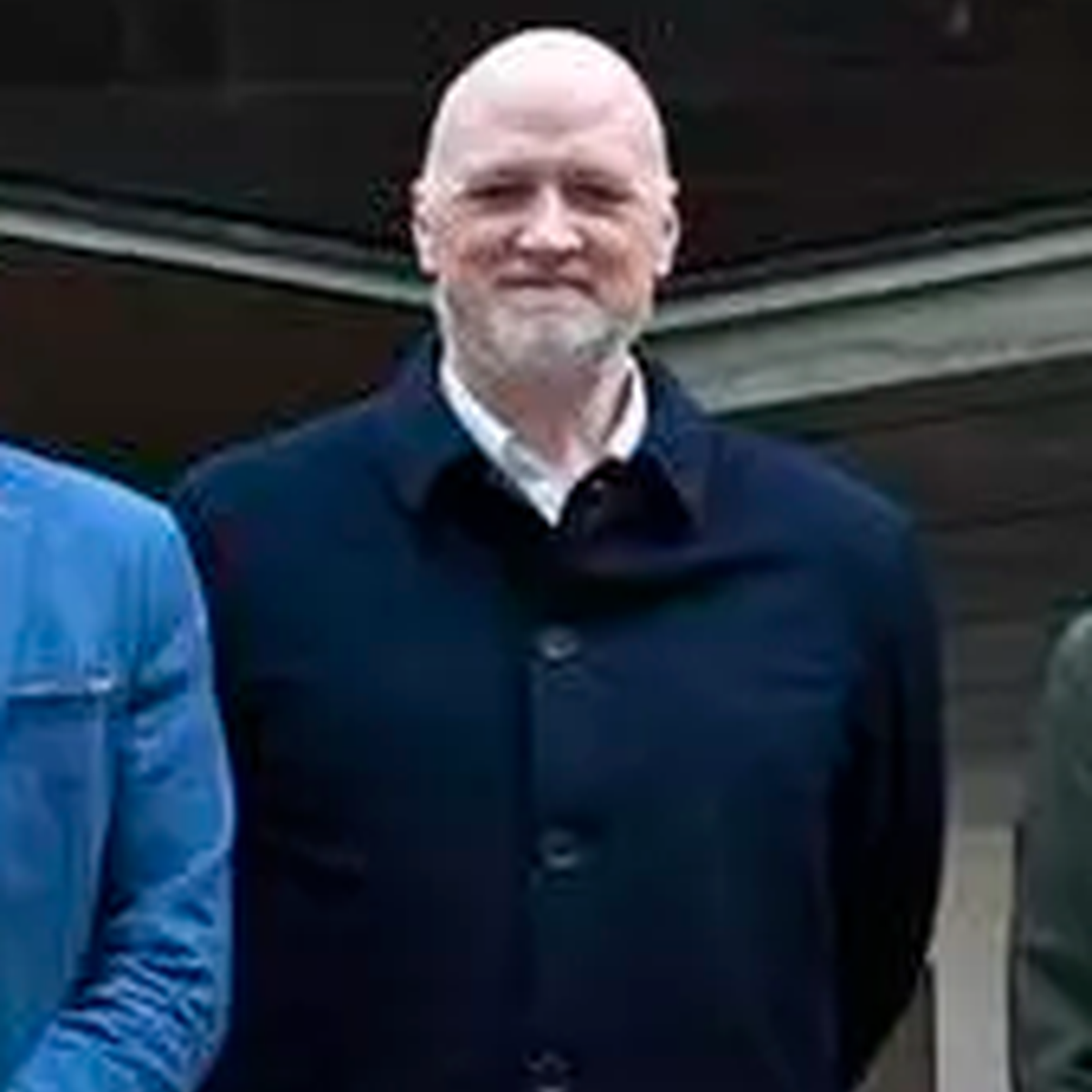
From heart to heart
Joan Oller, general manager
Peace will resonate throughout the entire Palau season, in an international context marked by conflicts and uncertainties.
Beethoven writes at the beginning of his Solemn Mass, the expression “Von Herzen – möge es wieder – zu Herzen gehen” (From heart to heart). In its translation into Catalan it acquires a profound value to explain the 2026-27 season of the Palau de la Música Catalana.
From the choir, the organ from which emotions are born, the season proposes a vast musical journey that goes from the Symphonies of Beethoven, Bruckner and Sibelius, and the Quartets of Shostakovich, to the Sonatas of Mozart. From the choir, understood as a community of people who sing in harmony, the great choral works of the great masters are reviewed, from Bach and Handel to the current Whitacre, Guinovart, Vivancos or Márquez.
The program commemorates the two hundredth anniversary of the death of the genius from Bonn with some of his most emblematic symphonic and choral creations. The three hundredth anniversary of the premiere of Bach's St. Matthew Passion is also commemorated with three very different versions of this major work in the universal repertoire.
Also from the choir, as a collective of people who sing, we will celebrate the centenaries of two key people in the Catalan choral movement. Oriol Martorell, founder of the Sant Jordi Choir, and Manel Cabero, founder of the Madrigal Choir. They brought choral music to the hearts of many Catalans in the difficult times of the end of the dictatorship.
At the end of his Missa solemnis, Beethoven writes, accompanying the “Dona nobis pacem”: “Peace exterior and peace interior, in alliance”. We can sense that he refers to the need for the absence of violence, but also to the interior peace that is born of the dignity and freedom that everyone needs. It is a vision that anticipates the concept of peace defended by Pau Casals and that, at the same time, advances the modern concept of peace understood as a process, far beyond the simple absence of violence.
Peace will resonate throughout the Palau's season, in an international context marked by conflicts and uncertainties. We will hear Pärt's Da pacem Domine, the magnificent "Dona nobis pacem" that closes Bach's Mass in Si minor and Beethoven's Missa solemnis, as well as the peace song at the end of The Nativity, among many other works.
As the master said, “music, this wonderful universal language understood by everyone, must contribute – and can do so – to communion and agreement between men.”
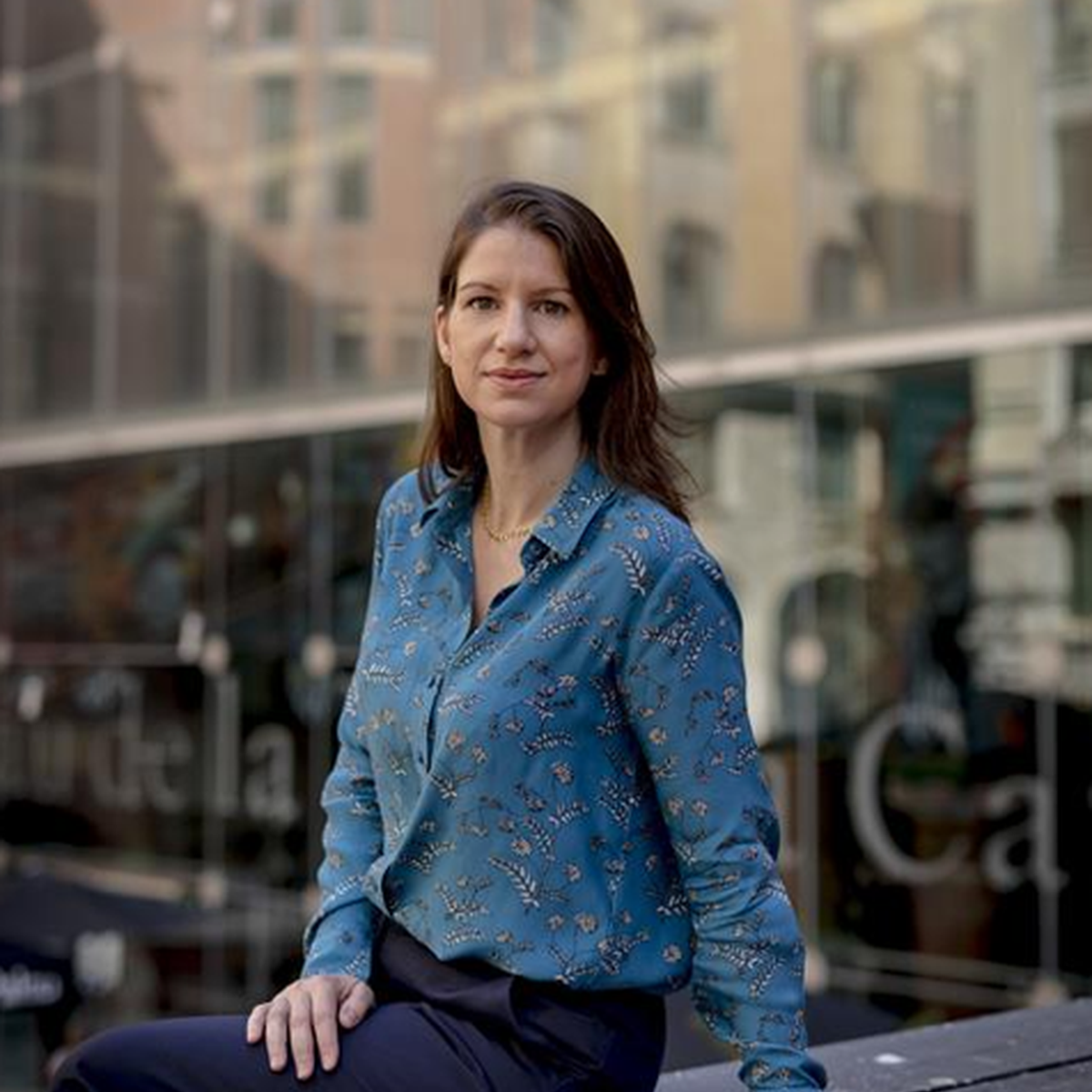
That in the Palace
peace echoes!
Mercedes Conde Pons, Deputy Artistic Director
With the conviction that "music constitutes a higher revelation than any philosophy", to quote the words of Ludwig van Beethoven, this season wants to be, more than ever, a cry for peace.
Throughout the 2026-27 season, peace will resonate on many occasions, in a diversity of forms, voices, styles and composers, at the Palau de la Música Catalana. But we want this cry for peace, which is so necessary at the moment, to cross borders, as Pau Casals said, because “music [...] transcends the borders of language, politics and nations. It goes directly to the soul”.
That is why the Palau de la Música Catalana continues with the aim of arousing this desire in the public with a broad and diverse programme that includes great international bands and performers, along with the country's great artists. We will welcome the great conductors of the young generation, such as Tarmo Peltokoski, Klaus Mäkelä, Lorenzo Viotti or Raphaël Pichon, and established greats, such as Simon Rattle, Esa-Pekka Salonen, Daniel Harding, John Eliot Gardiner, Daniele Gatti, Pablo Heras-Casado or Teodor Currentzis, as well as indisputable performers such as Patricia Kopatchinskaja, Gautier Capuçon, Jean-Guihen Queyras, Lisa Batiashvili, Cecilia Bartoli, Juan Diego Flórez, Nadine Sierra, Magdalena Kožená, Lang Lang, Yuja Wang or Víkingur Ólafsson and, to this list, we add the proper names of Jordi Savall, Josep Pons, Josep Maria Colom, Alba Ventura, the Casals Quartet and the Kebyart Saxo Quartet, resident formation.
We will widely celebrate Beethoven and Pau Casals, two standards of fraternity and freedom as essential values of the human condition and foundations of peace, but we will also remember on their centenary: Rosa Sabater, Manuel Cabero and Oriol Martorell, three great names who wrote the musical history of Catalonia. We are starting three long-term projects with the Complete Piano Sonatas by Mozart, the Complete String Quartets by Shostakovich and the complete organ works by J. S. Bach.
But in the more than two hundred concerts that make up the Palau's own concert program, there will also be a lot of contemporary music and a lot of Catalan music. Eric Whitacre, Agustí Charles and Marian Márquez are guest composers and Antoni Soler will be a composer of Catalan heritage and, together with them, a long list of new creations, experimentation and recovery. The dialogue between the arts will continue to play a leading role in a house where it has been produced since its creation. Thus, we will have as guest artists the sculptor Lluís Cera, the digital artist Agnes Jonas, the poet Manuel Forcano and we will continue to collaborate with the Fundació Catalunya La Pedrera and the Fundació Úniques.
With the conviction that “music constitutes a higher revelation than any philosophy”, to quote the words of Ludwig van Beethoven, this season wants to be, more than ever, a cry for peace, a vindication of the most fundamental values of human dignity when these are fading in a disoriented world, because, following the words of Pau Casals, “living is not enough; we must participate”.
May we never lack references, may we be able to find calm in the midst of confusion thanks to music, and may the Palau continue to be the space for meeting and communion of the most ephemeral and sublime art, because we continue to have the conviction that music can make people's lives better.