The most iconic buildings to visit in Barcelona

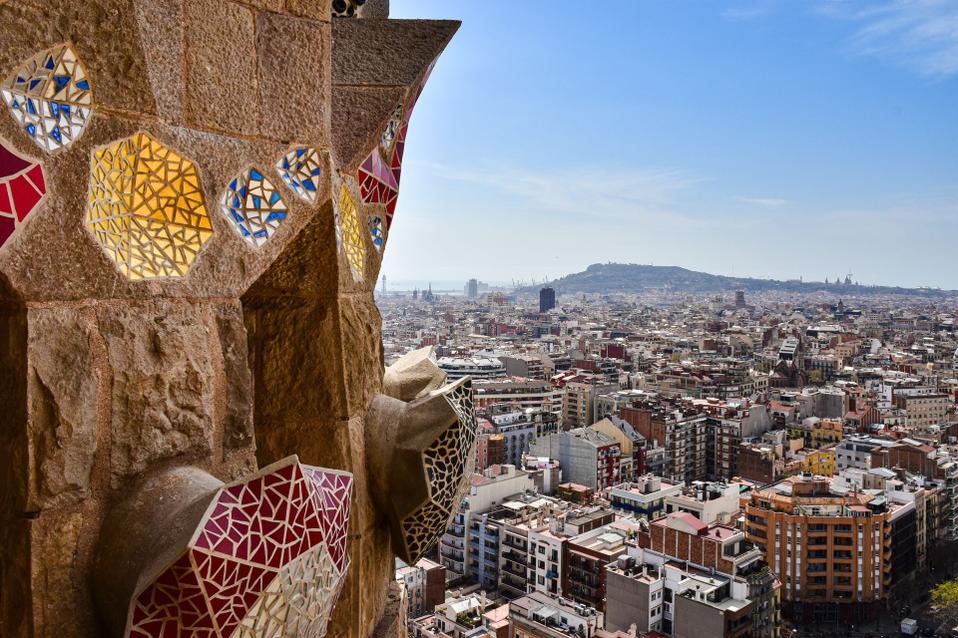
Over the centuries, each historical period has left its mark on Barcelona’s urban landscape: from medieval remains and Gothic splendour to Catalan Modernism and contemporary architecture. Few cities in the world bring together such a visible diversity of heritage in their streets.
The most emblematic buildings in Barcelona not only define its urban profile, but also tell the story of the social, cultural and economic transformations that have shaped the city over time. Many of these spaces form an essential part of its cultural identity, while also becoming must-see landmarks for visitors from all over the world.
In this guide, we bring together some of Barcelona’s most famous buildings and the architectural features that have made them undisputed landmarks of the city’s heritage.
Barcelona’s architecture: a coexistence of styles and periods
Barcelona’s architecture embraces multiple styles and periods. The Gothic Quarter preserves the city’s medieval legacy, while l’Eixample is home to many of the Modernist works created by architects such as Antoni Gaudí, Lluís Domènech i Montaner and Josep Puig i Cadafalch.
The urban expansion of l’Eixample in the late 19th century encouraged the emergence of an architecture linked to the Catalan industrial bourgeoisie. It was in this context that Catalan Modernism was born, a movement that brought together decorative arts, architecture and craftsmanship with a clear desire for cultural modernisation.
Today, this heritage coexists with contemporary buildings and constructions that continue to redefine the urban landscape and consolidate Barcelona as a city closely linked to architecture, design and innovation.
What are Barcelona’s most famous buildings?
Sagrada Família
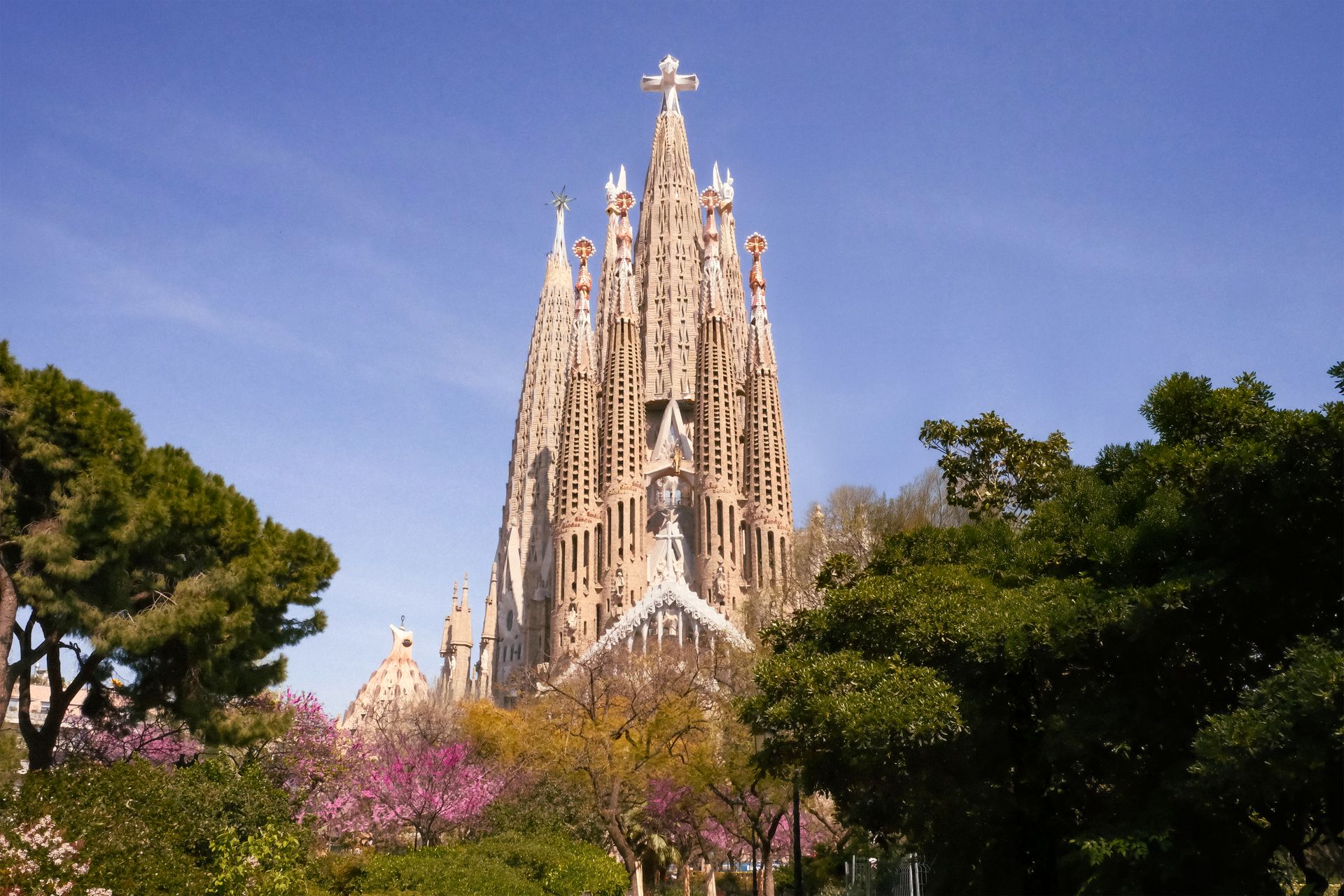
When talking about Barcelona’s emblematic buildings, the Basilica of the Sagrada Família is undoubtedly one of the first names that comes to mind. The church designed by Antoni Gaudí, still under construction more than a century after work began, has become one of the great symbols of the city.
Its eighteen monumental towers, nature-inspired geometry and treatment of light through stained glass windows are among its most striking features. Its sculptural façades also stand out, conceived as great visual narratives of biblical scenes.
Palau de la Música Catalana
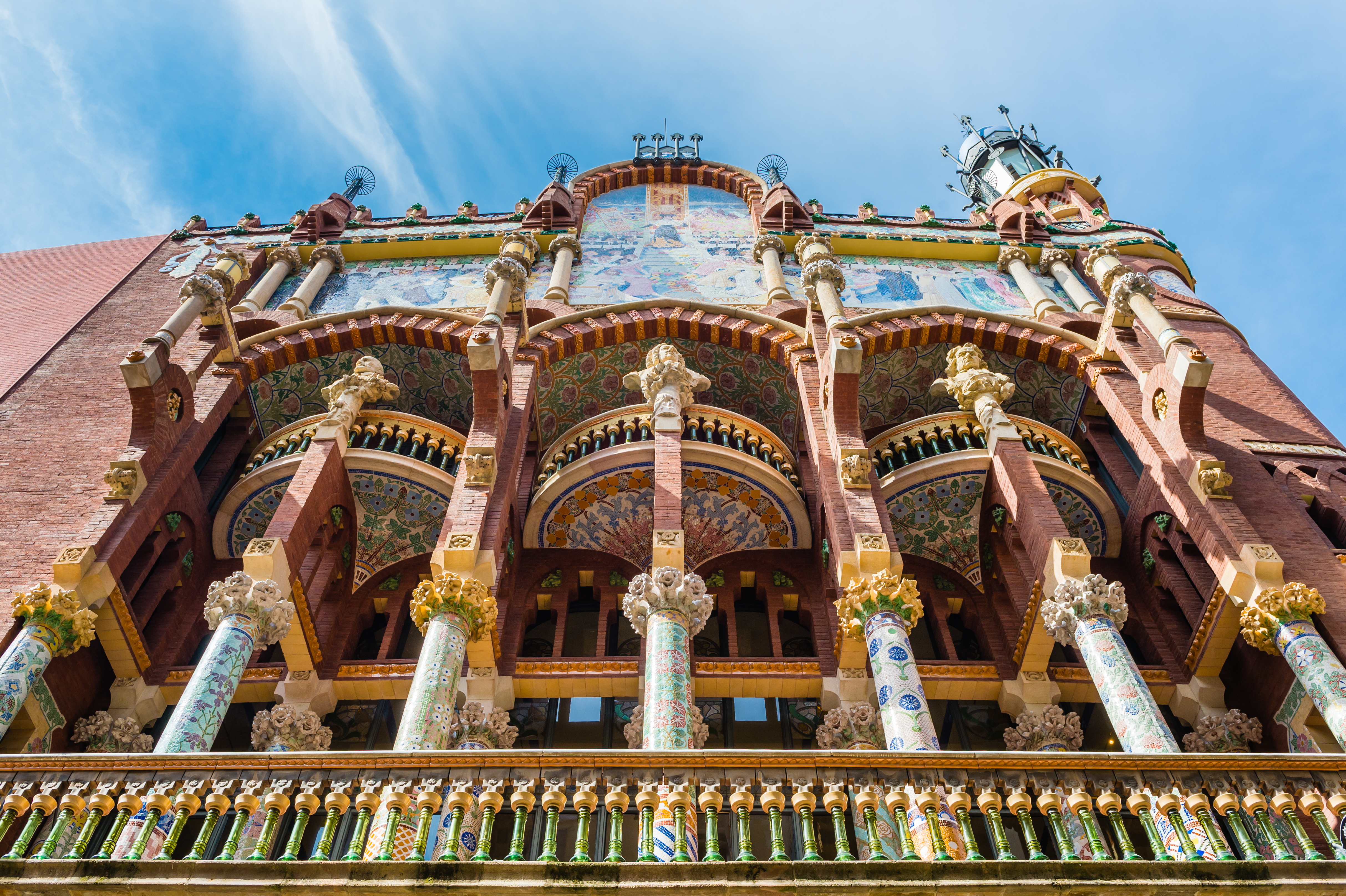
Designed by Lluís Domènech i Montaner, the Palau is one of the finest examples of the integration of architecture and decorative arts characteristic of Catalan Modernism.
Inaugurated in 1908, it stands out for its façade rich in sculptures, mosaic and exposed brick, as well as for its spectacular interior, which combines natural light and symbolic ornamentation around the Concert Hall. The large central stained-glass skylight is one of the most recognisable elements of the ensemble. For all these reasons, the building was declared a UNESCO World Heritage Site.
La Pedrera
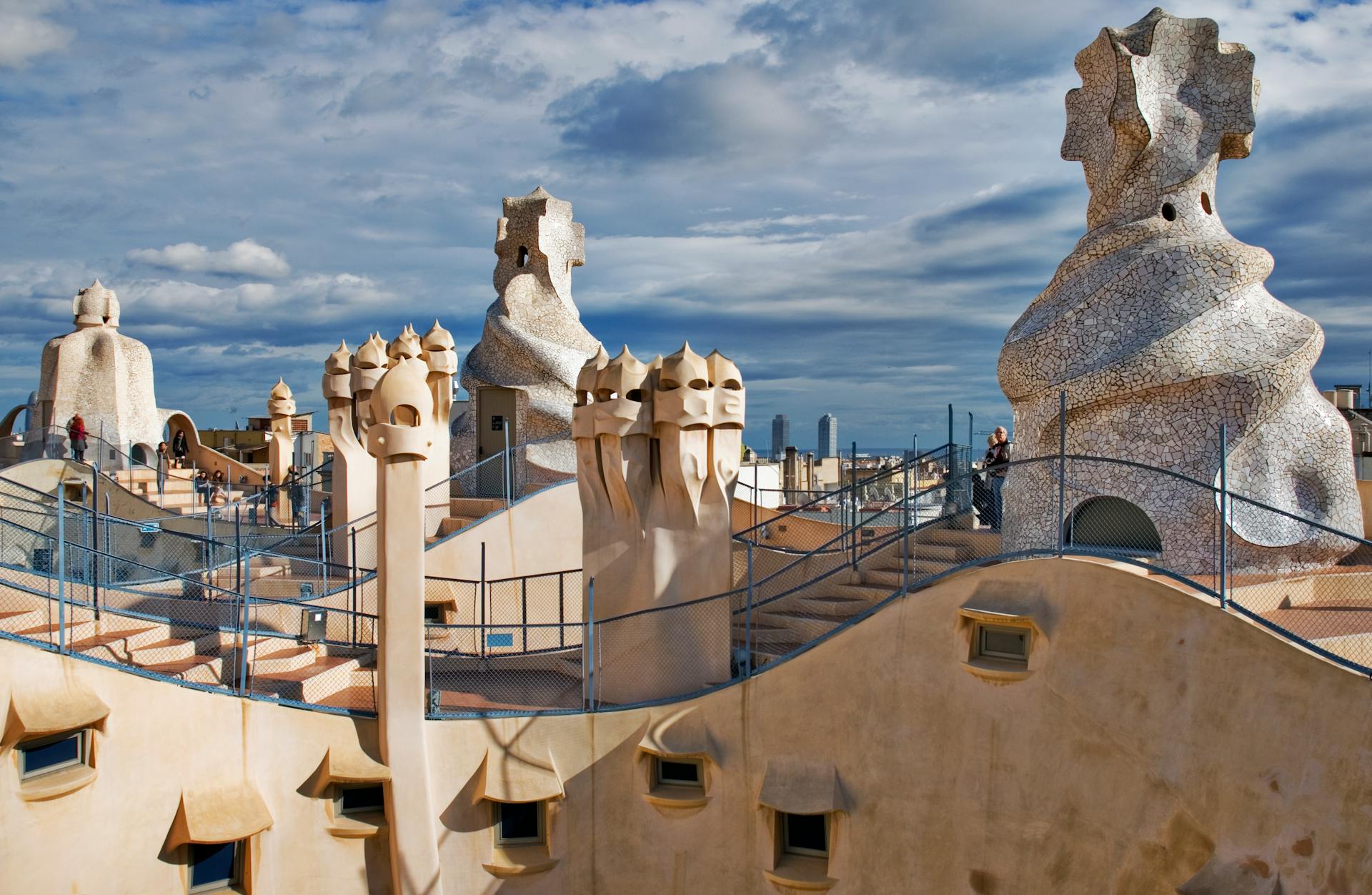
Passeig de Gràcia brings together some of Barcelona’s most famous buildings. One of the most outstanding is La Pedrera – Casa Milà, another of Gaudí’s great works. Its undulating stone façade, the organic movement of its interior spaces and the rooftop with its distinctive helicoidal chimneys have made it one of the most representative images of Barcelona’s architecture.
It is especially worth going up to the rooftop and taking in the landscape of l’Eixample, with the sea and the Collserola mountain range outlining the horizon.
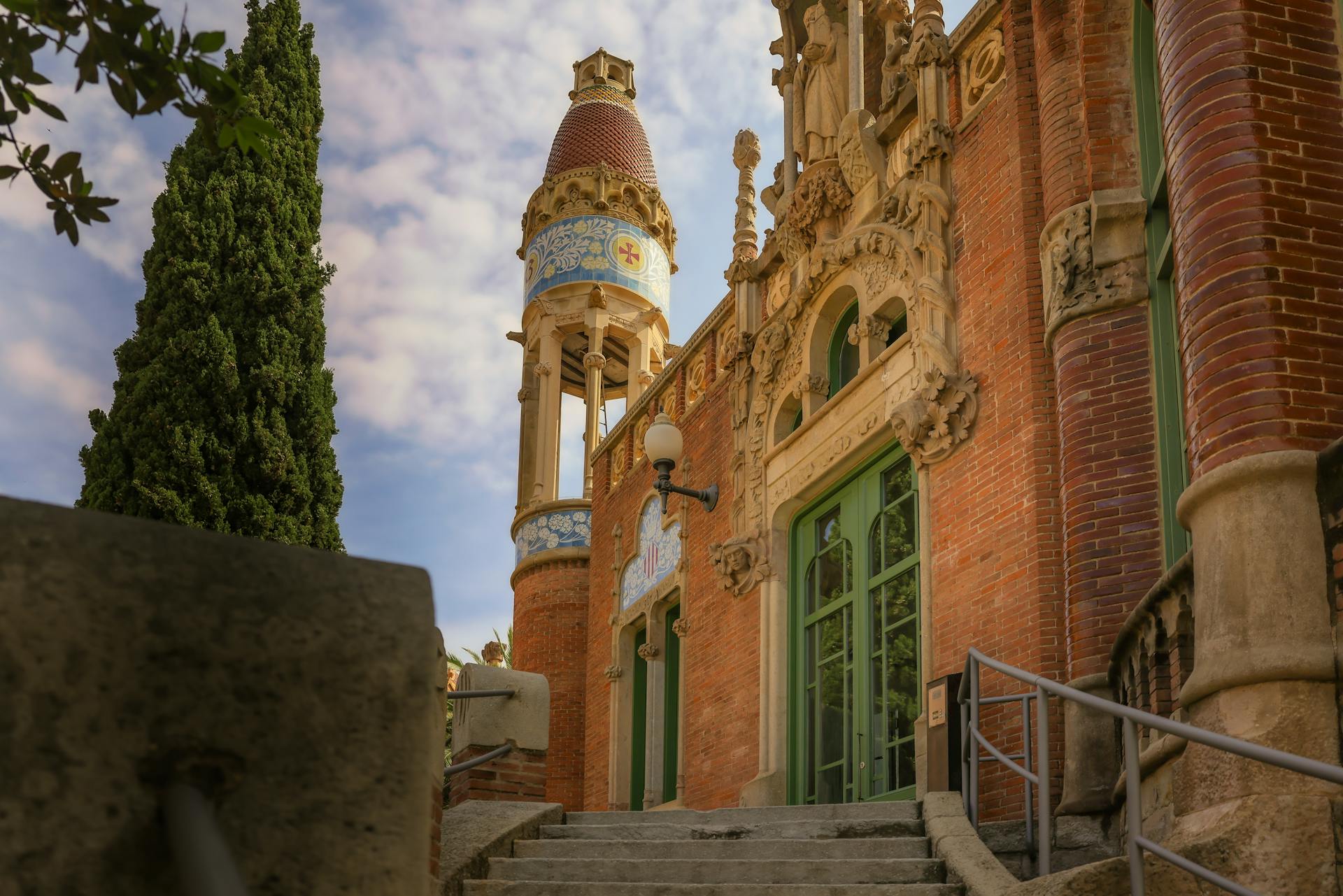
Recinte Modernista de Sant Pau
Like the Palau de la Música Catalana, this complex was designed by Domènech i Montaner. Conceived as a hospital city made up of pavilions, it introduced innovative criteria for hygiene, ventilation and patient wellbeing, without sacrificing an extraordinary decorative richness.
The gardens, natural light and open spaces reveal an architectural conception in which functionality and artistic quality coexist harmoniously. Today, it is one of the largest and most unique Modernist complexes in Europe.
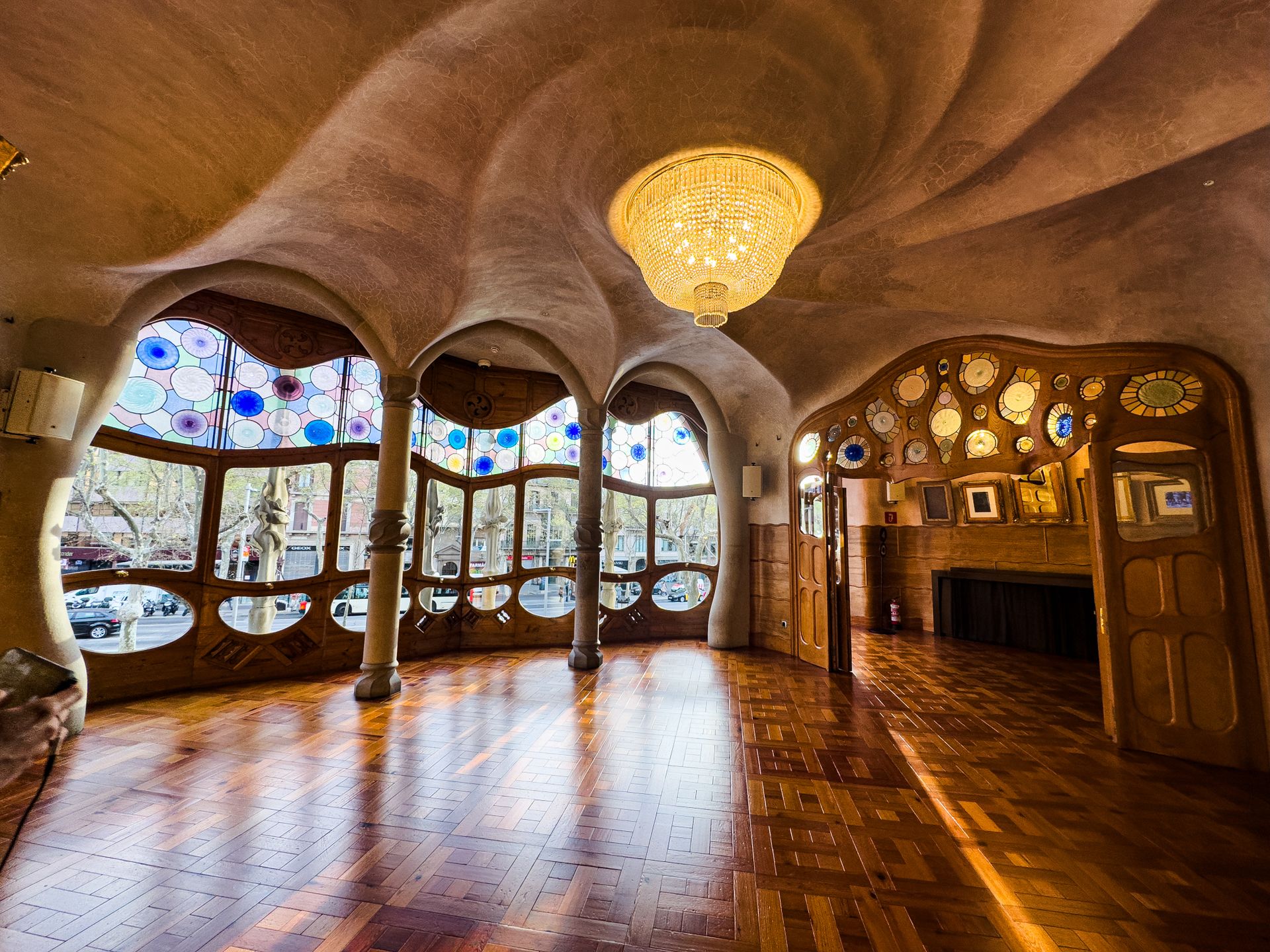
Casa Batlló
Known for having one of the most distinctive façades on Passeig de Gràcia, Casa Batlló is one of Gaudí’s most imaginative works. Colour, organic forms and elements inspired by the marine world and the figure of the dragon reflect the architect’s most characteristic creative language.
The columns of the gallery and the balconies, with shapes reminiscent of bones and masks, have led it to be popularly known as “Casa dels Ossos”. Its interior is surprising for its attention to detail and for the innovative solutions the architect developed to improve ventilation and the entry of natural light.
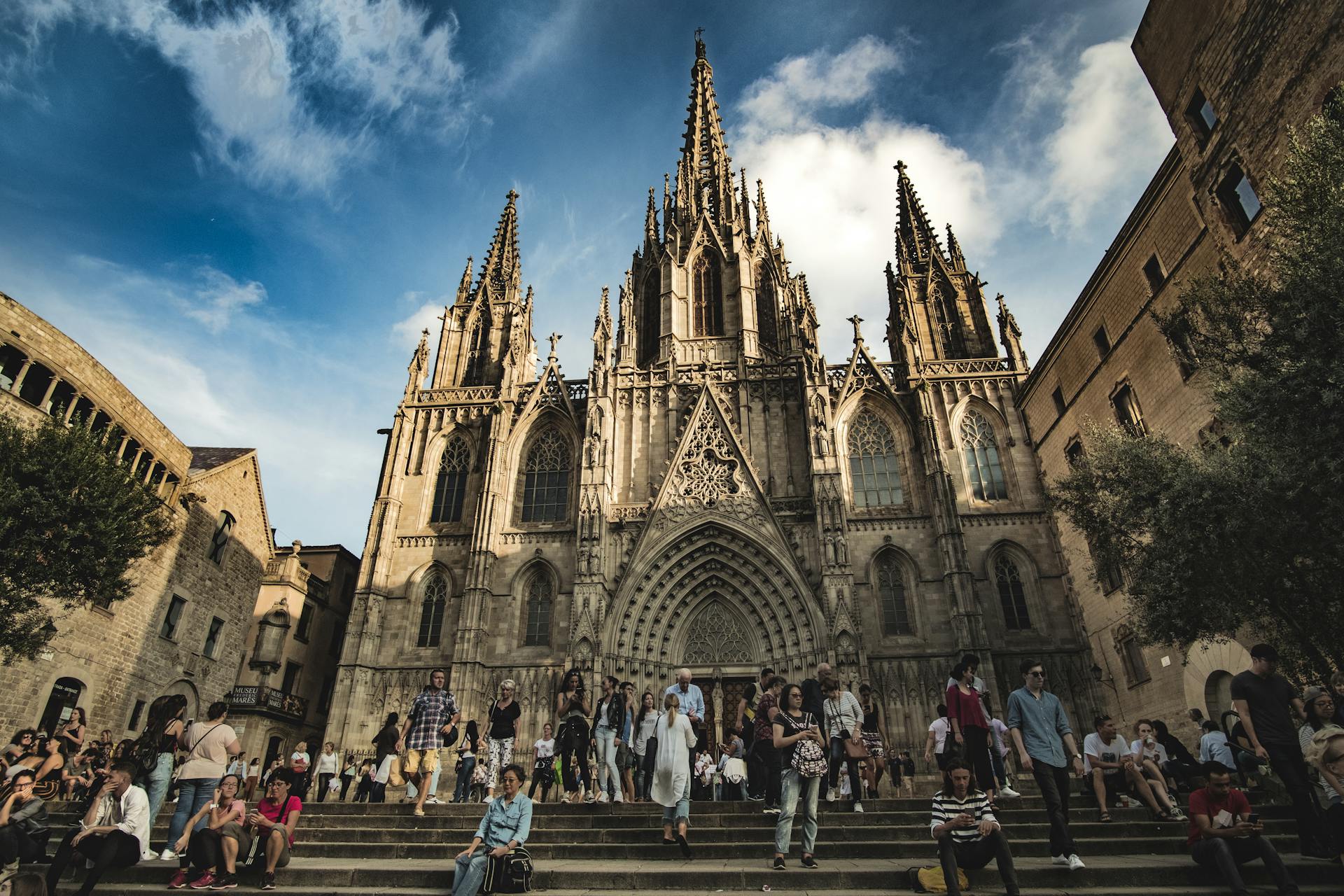
Barcelona Cathedral
Dedicated to the Holy Cross and Saint Eulalia, it is one of the great examples of Catalan Gothic architecture. Located in the heart of the Gothic Quarter, it forms part of the city’s medieval historic centre and stands out for its slender naves, the cloister where thirteen white geese live and a monumental façade completed in the 19th century.
The square where it stands is one of the busiest in the city, where all kinds of craft markets, fairs and various cultural activities are regularly held.
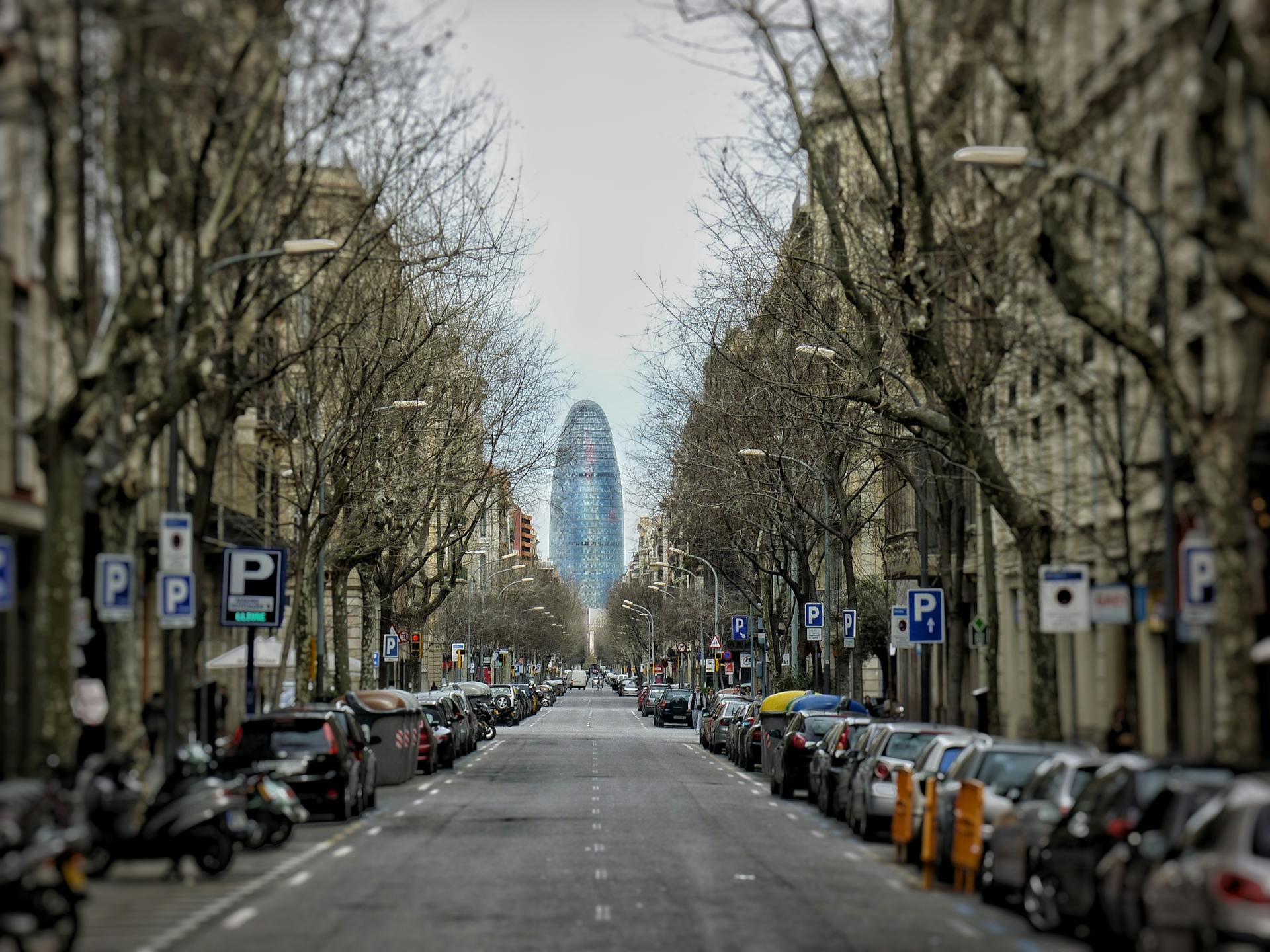
Torre Glòries
An outstanding example of contemporary architecture in Barcelona, this skyscraper designed by Jean Nouvel is one of the most recognisable constructions on the city’s skyline.
The French architect drew inspiration from the towers of the Sagrada Família and the mountain of Montserrat to create its singular cylindrical shape. The façade, covered with photovoltaic panels and made up of thousands of glass slats, creates changing light effects throughout the day and is illuminated by thousands of LEDs at night.
It also includes a viewpoint that offers a privileged perspective of the city and the Mediterranean coastline.
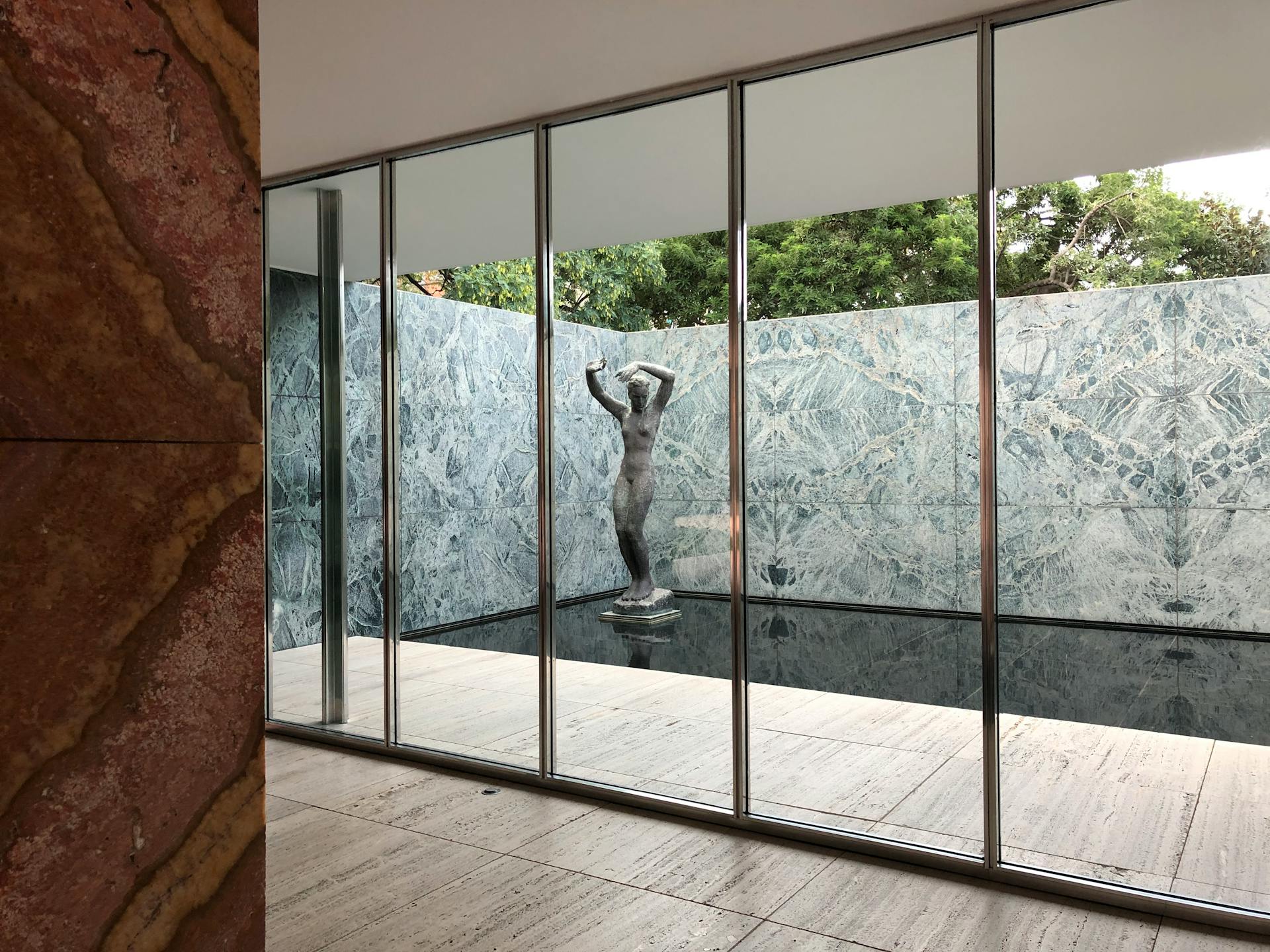
Mies van der Rohe Pavilion
A key work of 20th-century modern architecture, the pavilion was originally built for the 1929 International Exposition. It stands out for its geometric purity, the simplicity of its lines and the use of noble materials such as marble, travertine and onyx.
Mies van der Rohe designed a leather and metal-frame chair especially for this space, the Barcelona Chair, which remains an icon of modern design today.
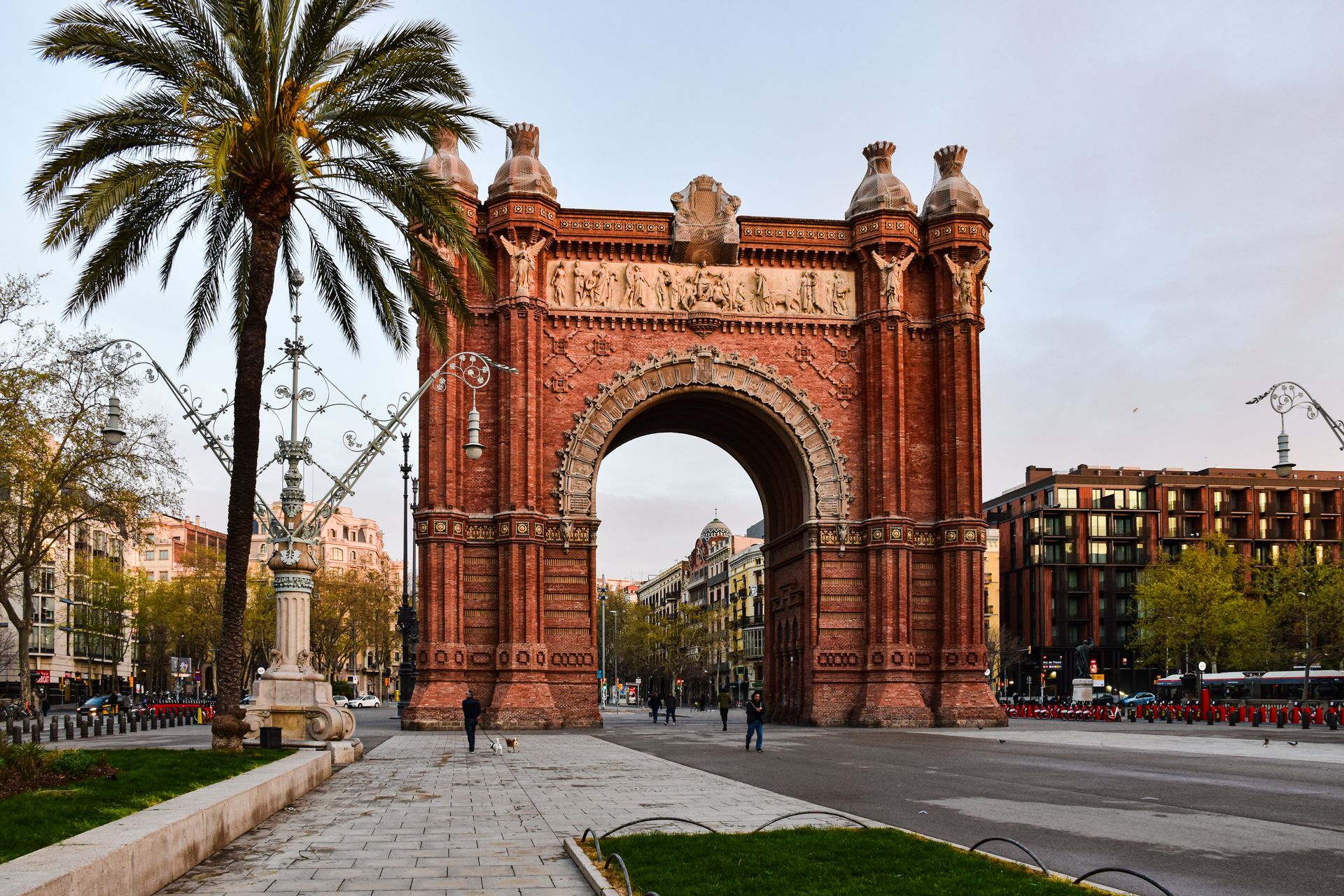
Arc de Triomf
Built as the main gateway to the 1888 Universal Exposition, this exposed-brick monument is one of Barcelona’s most famous buildings. Standing 30 metres high, and unlike other triumphal arches with a military component, Barcelona’s incorporates allegories referring to the city’s social, artistic and economic progress.
Located at the end of Passeig Lluís Companys, it connects directly with the Parc de la Ciutadella, one of the city’s major green spaces.
Discover the architectural heritage of Barcelona’s buildings
The most emblematic buildings in Barcelona allow us to journey through the city’s history through its architecture. From medieval constructions to the great landmarks of Modernism and contemporary buildings, each space reveals different ways of understanding art, urban planning and everyday life.
Visiting these constructions means understanding how the city has transformed up to the present day. We invite you to observe them closely, explore their interiors and read their forms and the details they conceal, because architecture is also a way of reading the history of this city.