300 years since the premiere
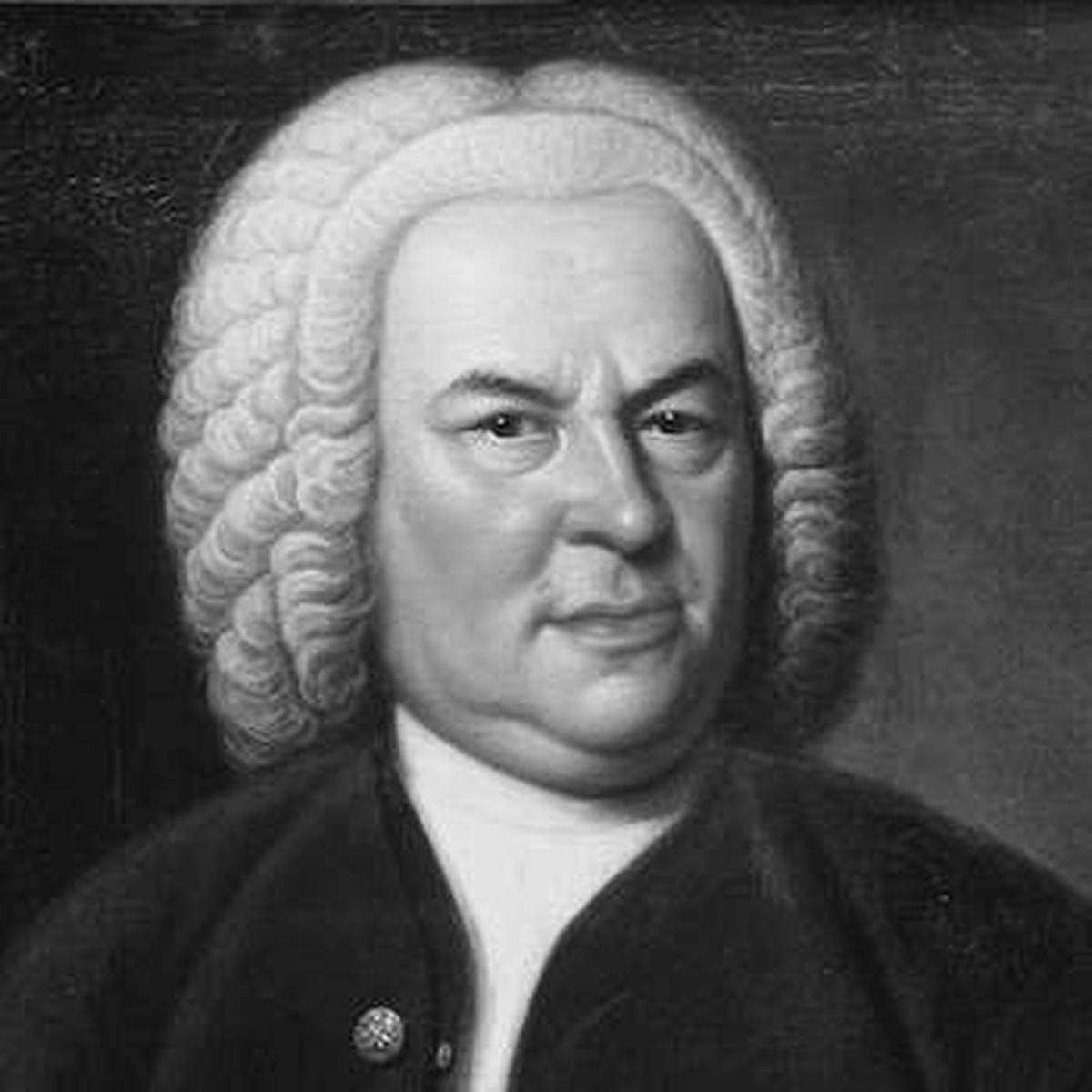
The year 2027 marks the three hundredth anniversary of the premiere of Johann Sebastian Bach’s St. Matthew Passion, first performed at the Good Friday liturgy in Leipzig’s Thomaskirche in 1727. In the Lutheran tradition, the story of Christ’s Passion was at the heart of the community’s spiritual meditation.
The dramatic dimension that J. S. Bach gives to the Gospel account of the Passion of Christ makes the work transcend the liturgical context and religious symbolism to also become a work of almost theatrical dimensions that allows for a multifaceted interpretative approach. For this reason, the work has become a regular piece in concert halls.
The rediscovery in 1829 of the St. Matthew Passion thanks to Felix Mendelssohn marked a key moment in the recovery of Bach’s music and in the formation of the modern awareness of European musical heritage. This explains why Lluís Millet, founder of the Orfeó Català in 1891, began his choral project with the aim of being able to interpret the great works of this universal heritage. A milestone that, in the case of the title in question, was achieved in 1921 at the Palau de la Música Catalana, a premiere that was also in Spain.
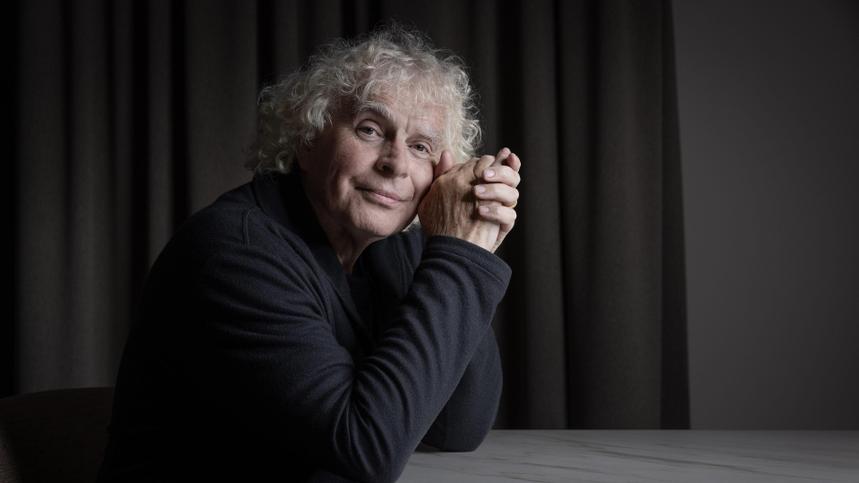
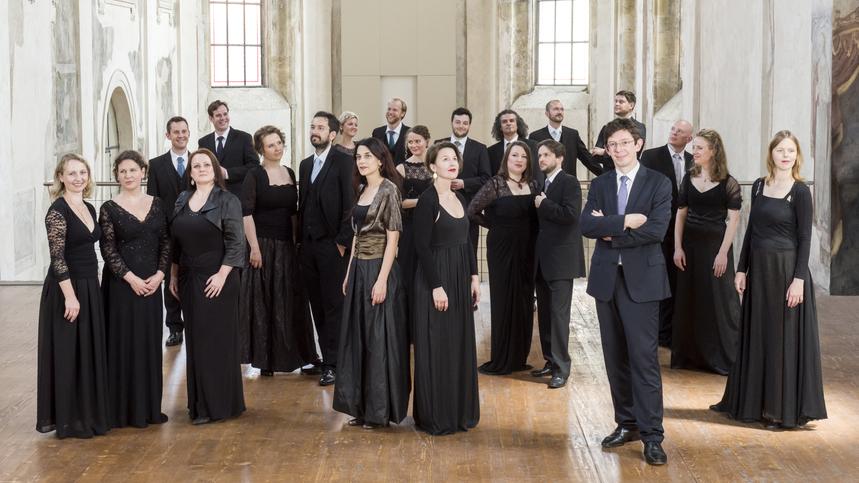
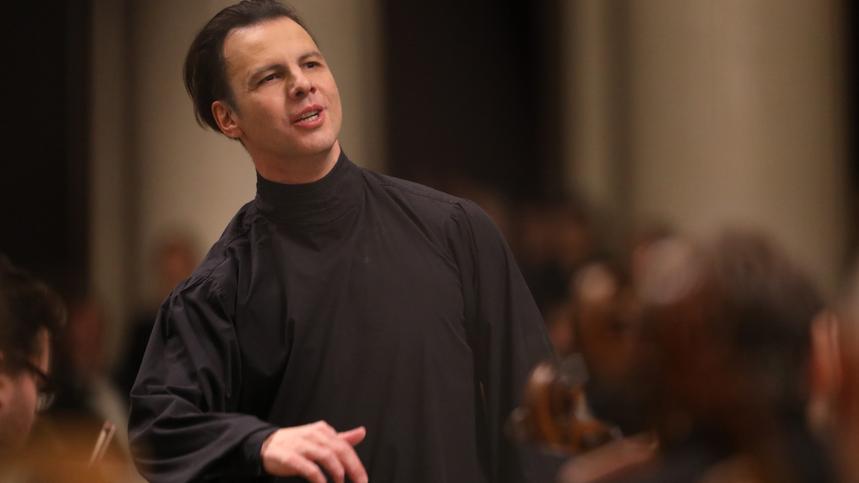
The commemoration of the 300th anniversary of the premiere of the St. Matthew Passion means for the Palau audience an opportunity to enjoy three different interpretations of the work by J. S. Bach, by three great international conductors and ensembles: the canonical version by Simon Rattle, the historically informed version by Václav Luks and the heterodox version by Teodor Currentzis.